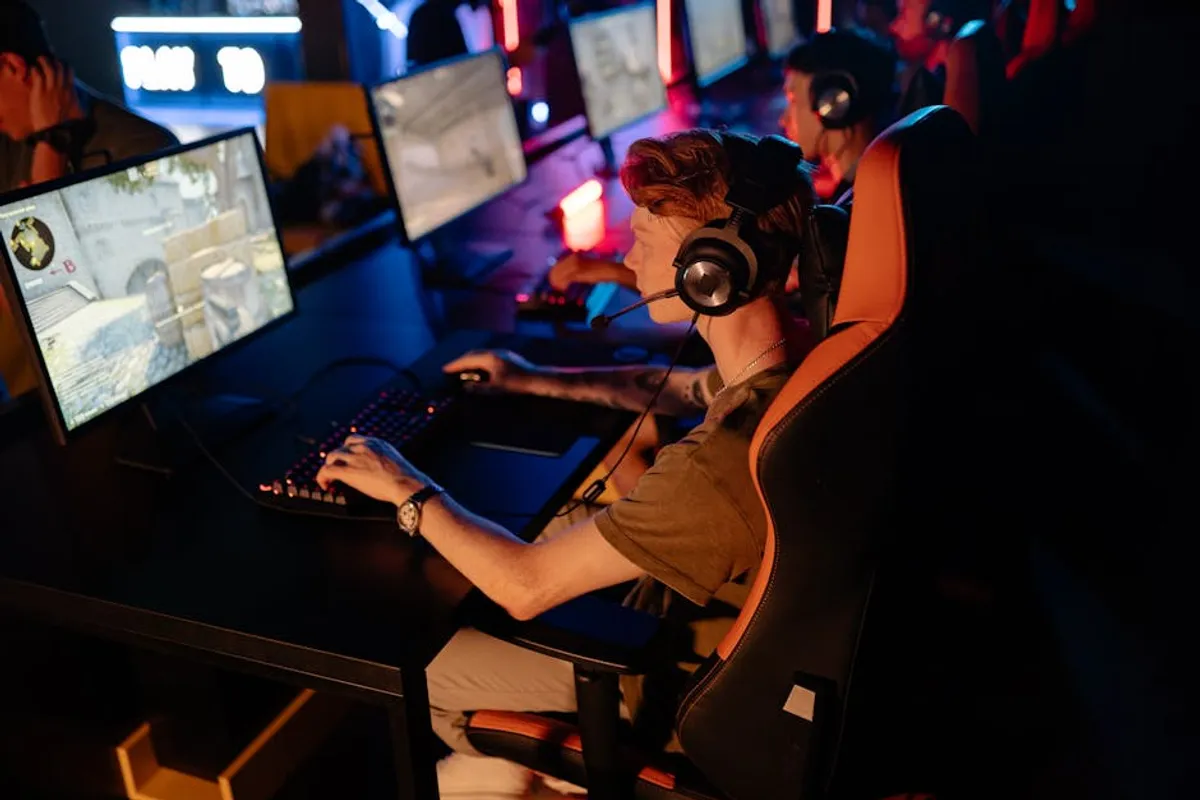
Navigating the rapidly expanding world of esports requires a fundamental understanding of its core components: the teams that compete, the leagues that organize competition, and the match schedules that dictate when and where the action unfolds. For marketers, content strategists, and new enthusiasts alike, grasping these foundational elements is crucial for identifying engagement opportunities, crafting relevant content, and effectively following the competitive landscape. This guide breaks down the structure of professional esports, offering a clear path to understanding how the ecosystem operates.
Understanding Esports Teams
Esports teams are professional organizations comprising players, coaches, analysts, and support staff, all dedicated to competing in specific video game titles. Unlike traditional sports teams often tied to a single city or region, esports teams frequently operate globally, fielding rosters across multiple game titles simultaneously. Their identity is built on branding, player personalities, and competitive performance.
- Roster Composition: Teams consist of a primary roster of competitive players, often with substitutes. Coaches provide strategic direction, while analysts review gameplay and opponent strategies. Support staff handle logistics, content creation, and player welfare.
- Game Specialization: Most major organizations maintain distinct rosters for different games. For example, a team might have a League of Legends roster, a Counter-Strike 2 roster, and a Valorant roster, each operating semi-independently under the same organizational banner. This specialization allows for focused training and expertise within each game's unique meta.
- Funding and Sponsorships: Esports teams are primarily funded through prize money, merchandise sales, and significant sponsorship deals with technology companies, energy drink brands, and other consumer product companies. These sponsorships are vital for covering operational costs, player salaries, and infrastructure.
Example: Organizations like Team Liquid, TSM, and G2 Esports exemplify this structure, fielding multiple championship-contending rosters across various top-tier esports titles, each with dedicated fan bases and extensive media presence.
Navigating Esports Leagues and Tournaments
The competitive structure of esports is primarily divided into leagues and tournaments, each serving distinct purposes within the ecosystem. Understanding their differences is key to tracking competitive narratives and player performance.
Esports Leagues: Structured Seasons and Regional Play
Leagues typically feature a structured season format, often spanning several months, with regular matches leading to playoffs and a grand final. These are designed to provide consistent competition, allowing teams to develop strategies, build fan engagement, and secure stable revenue streams.
- Franchised Leagues: Many prominent esports, particularly those backed by game publishers, have adopted a franchised model. Teams buy into a permanent slot in the league, ensuring long-term stability and investment. These leagues often have regional divisions, such as the League of Legends Championship Series (LCS) in North America or the League of Legends European Championship (LEC).
- Open Circuits: Some games maintain a more open circuit, where teams earn points or qualify through various smaller tournaments to reach larger, international events. The Dota Pro Circuit (DPC) for Dota 2 is a prime example, where teams accumulate points across regional leagues and Majors to qualify for The International, the game's pinnacle event.
Key types:
- Publisher-Backed: Riot Games' Valorant Champions Tour (VCT) and League of Legends' regional leagues.
- Independent Organizers: ESL Pro League for Counter-Strike 2, often featuring a mix of invited and qualified teams.
Esports Tournaments: High Stakes and Global Showdowns
Tournaments are generally shorter, high-stakes events that can be standalone or serve as the culmination of a league season. They often feature larger prize pools and bring together top teams from various regions for direct competition.
- Majors and Internationals: These are the most prestigious tournaments, often drawing massive viewership and significant prize money. Examples include The International for Dota 2, the League of Legends World Championship (Worlds), and the CS:GO Majors. Qualification for these events is highly competitive, often requiring teams to perform well in preceding league play or regional qualifiers.
- Invitational Events: Some tournaments invite specific teams based on reputation or past performance, often for exhibition or promotional purposes.
Decoding Match Schedules
Following the action requires knowing when and where matches are played. Esports schedules can be complex due to multiple games, regions, and time zones, but several reliable resources simplify the process.
Primary Sources for Schedules:
- Official League Websites: The most accurate source for specific league schedules. For example, lolesports.com for League of Legends or liquipedia.net for a broader range of games.
- Esports News and Coverage Sites: Dedicated platforms that aggregate schedules, results, and news across multiple titles.
- In-Game Clients: Many games integrate competitive schedules directly into their client, allowing players to track upcoming matches and watch live streams.
Understanding Schedule Nuances:
- Time Zones: Always verify the time zone of listed matches. Most major esports sites offer a time zone conversion feature or display times in your local time.
- Match Formats:
- Best-of-One (Bo1): A single game determines the winner. Common in early league stages to quickly cycle through matches.
- Best-of-Three (Bo3): The first team to win two games wins the match. Offers more strategic depth and comeback potential.
- Best-of-Five (Bo5): The first team to win three games wins the match. Reserved for crucial playoff matches and grand finals, demanding endurance and diverse strategies.
- Broadcast Platforms: Matches are primarily streamed live on platforms like Twitch, YouTube, and sometimes dedicated broadcast channels. VODs (Video on Demand) are usually available shortly after live broadcasts for those who miss the action.
Pro Tip: Always cross-reference match schedules across two or more reputable sources, especially for international tournaments. Esports schedules can be subject to last-minute changes due to technical issues, player health, or unforeseen circumstances, making real-time verification essential for accurate planning and content updates.
Key Games and Their Ecosystems
The structure of teams, leagues, and schedules varies significantly by game title, reflecting different publisher philosophies and community dynamics.
- League of Legends: Features a global ecosystem of franchised regional leagues (e.g., LCS, LEC, LCK, LPL) culminating in the Mid-Season Invitational (MSI) and the World Championship. Teams compete year-round within their regions.
- Dota 2: Operates on the Dota Pro Circuit (DPC), a points-based system where teams earn qualification to Majors and ultimately The International, known for its record-breaking prize pools. The circuit combines regional leagues and international tournaments.
- Counter-Strike 2 (CS2): Characterized by a more decentralized ecosystem with multiple prominent tournament organizers (e.g., ESL, BLAST) hosting events. Major championships are Valve-sponsored, but the path to them involves a variety of independent tournaments.
- Valorant: Riot Games' tactical shooter features the Valorant Champions Tour (VCT), a franchised league system with regional leagues (e.g., VCT Americas, VCT EMEA) and international Masters events leading to Valorant Champions.
Building Your Esports Knowledge Base
Engaging with esports effectively means continuous learning and strategic content consumption. Start by identifying a game that genuinely interests you, as passion will drive deeper understanding. From there, immerse yourself in its specific competitive scene.
Follow the official channels of your chosen game's primary league or tournament organizer. Subscribe to reputable esports news outlets and content creators who provide analysis and updates. Engage with communities on platforms like Reddit or Discord, where discussions often offer granular insights into team dynamics, player performance, and meta shifts. Over time, you will develop an intuitive grasp of the competitive cycles, key storylines, and emerging trends within your chosen titles, transforming from a beginner to an informed enthusiast or professional.
Frequently Asked Questions
What is the difference between a professional esports player and a streamer?
A professional esports player primarily competes in organized leagues and tournaments with the goal of winning championships and prize money. A streamer's main role is to entertain an audience by broadcasting their gameplay, often engaging directly with viewers, though many pro players also stream.
How do teams qualify for major international tournaments?
Qualification methods vary by game but typically involve earning points through regional league play, winning regional championships, or performing well in specific qualifying tournaments. Franchised leagues often have direct slots for their top teams.
Where can I watch live esports matches?
Most esports matches are streamed live on platforms such as Twitch and YouTube. Official league websites often embed these streams directly, providing a centralized viewing experience. Some regions may also have dedicated esports television channels.
Are esports schedules consistent throughout the year?
Esports schedules are generally consistent within a league's season, but the overall calendar is dynamic. There are often off-seasons, pre-season tournaments, and varying schedules between different games and regions. Always refer to official sources for the most current information.