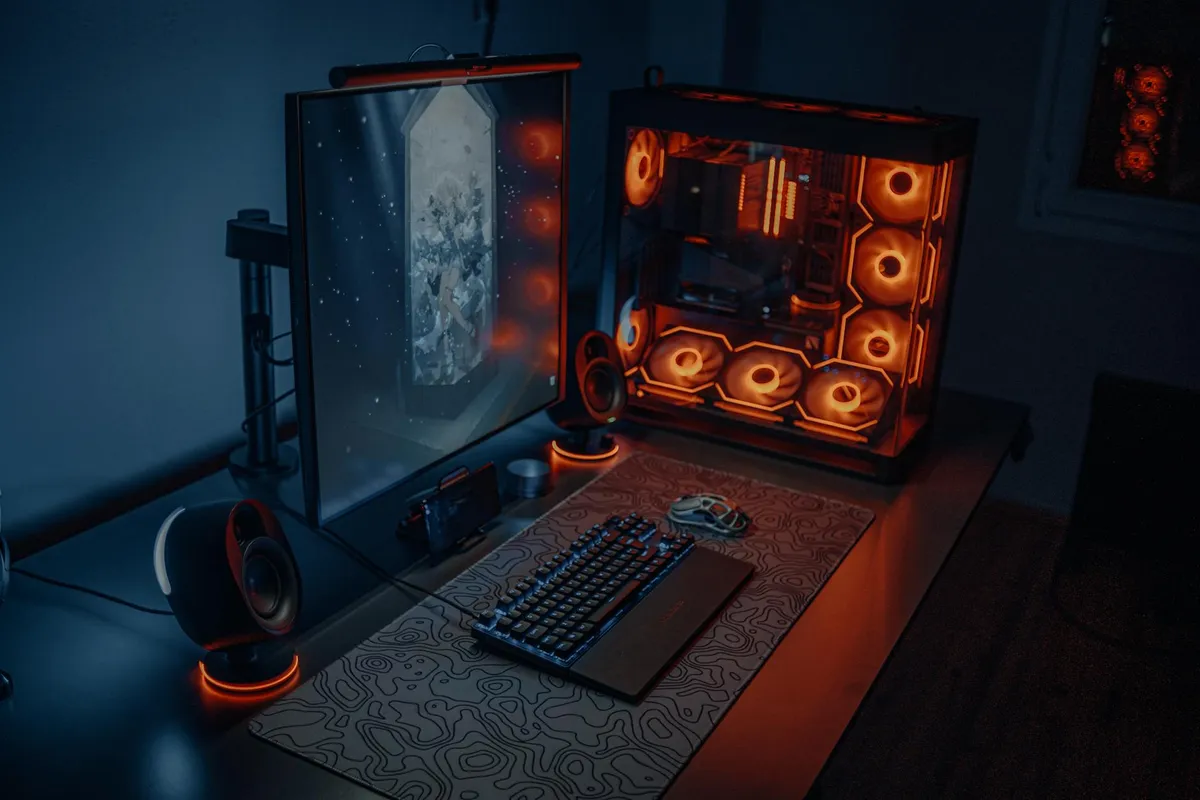
I get this question a lot. "Should I get a new gaming PC?" The honest answer is "it depends on what you have and what you actually play." But that is not a useful answer, so let me break it down properly.
The state of PC gaming in 2026
Quick reality check on where things are right now:
- Mid-range builds (~$1,200) get you 1440p high-refresh gaming for most things
- Decent builds (~$2,000) get you 4K-capable gaming with most settings cranked
- High-end builds (~$3,500+) get you flagship 4K with ray tracing
- GPUs are still the bottleneck and still pretty expensive
- SSD prices are weirdly back up after a few years of being cheap
The good news: even mid-range PCs are very capable now. The bad news: prices have not really come down to where most of us would call "reasonable."
When to upgrade vs. start fresh
Quick decision tree:
Your PC is 6+ years old. Probably a fresh build. The motherboard, RAM, and CPU sockets have all changed enough that piecemeal upgrading does not make sense.
Your PC is 3-5 years old. A GPU upgrade probably gives you most of what you want. Maybe an SSD upgrade if you are still running spinning disks.
Your PC is under 3 years old. Probably do not upgrade unless something specific is bothering you. Modern hardware has long legs.
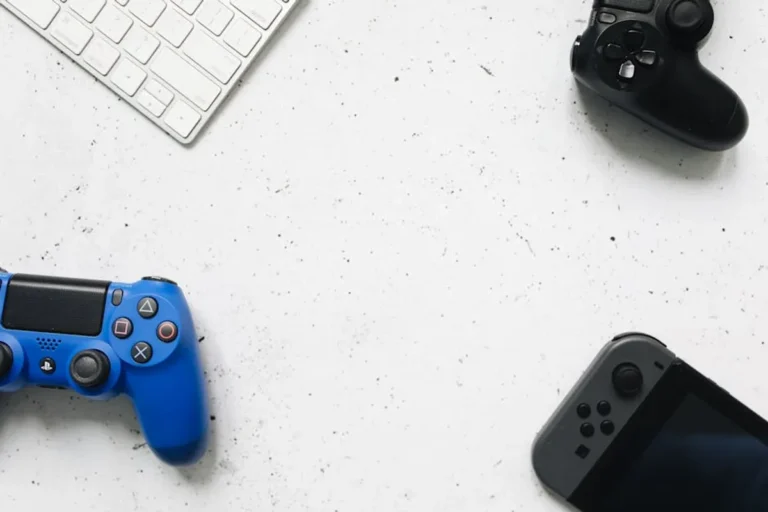
Your PC is fine for what you play but you want to play something specific. Honest question: would a console version do the job? PS5 and Series X/S are way cheaper than equivalent PCs and run most modern games well.
What to actually buy if you are building new
Mid-range build that I would build for a friend who plays modern games at 1440p:
- CPU: Ryzen 7 or equivalent Intel — about $300
- GPU: Mid-range from current generation — about $500-600
- RAM: 32GB DDR5 — about $100
- SSD: 2TB NVMe — about $130
- Motherboard: Decent B-series — about $180
- Case + PSU + Cooling: About $250
Total: Around $1,500. Plus monitor, keyboard, mouse, headphones if you do not have them.
Will this play everything coming out for the next 4-5 years at decent settings? Yes. Will it max out everything? No.
The console question, again
Here is the take I do not see often enough: if you mostly play AAA games and do not care about mods, a current-gen console is way better value than a PC. PS5 + a year of PS+ Premium gets you a huge library for less than half what a mid-range PC costs.
PCs are better if:
- You play games that are PC-exclusive or PC-best (strategy, MMOs, sims, indies)
- You want to use mods
- You also use the machine for non-gaming work
- You really want high refresh rates above 60 fps
- You want a long-term platform you can incrementally upgrade
Consoles are better if:
- You mostly play AAA games
- You want to spend less money
- You do not want to deal with hardware decisions
- You play with friends who are on console
No moral high ground either way. Pick what fits.
What to skip
Stuff that is overhyped right now:
- Top-tier GPUs unless you specifically need them. The price-per-frame is bad past the upper-mid-range. Most people do not need flagship cards.
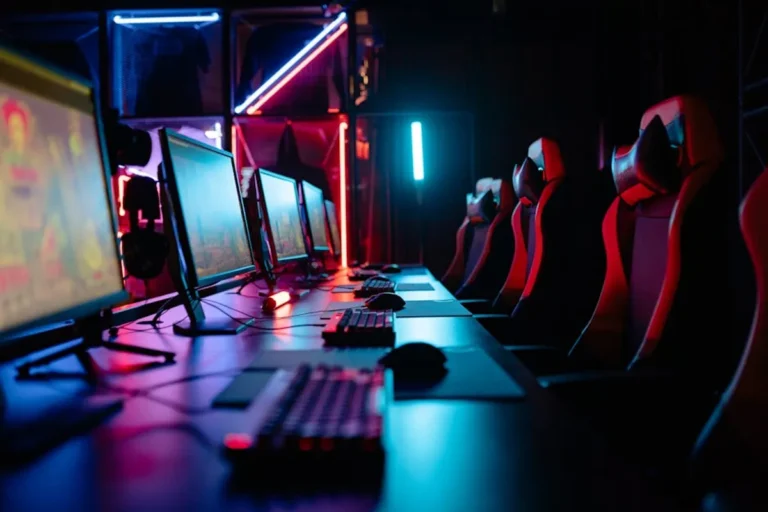
- RGB everything. Looks cool. Adds to cost. Does not affect performance.
- Liquid cooling for non-extreme builds. Air cooling is fine for most CPUs. Liquid is overkill for most setups.
- "Gaming" peripherals at premium prices. A $50 mechanical keyboard from a non-gaming brand is usually as good as a $150 "gaming" one.
- 1000Hz polling rate mice and 8K monitors. Real diminishing returns past mid-tier specs.
The honest answer to "should I buy?"
If your current setup runs the games you play at frame rates that feel okay to you, do not buy. Hardware envy is real but it does not actually improve the experience much.
If your current setup is genuinely struggling (sub-30 fps, can't play new releases, crashes), then yes, upgrade.
If you do not currently have a setup and want to start gaming, consider what you actually want to play and let that drive whether you want PC or console.
The takeaway
Most "should I upgrade" questions are answered by playing the games you have on the hardware you have. New hardware is fun for a week and then you go back to playing the same games you were playing.
The fun is in the games, not the hardware. Buy hardware when you genuinely need it for what you want to play. Otherwise, your money is probably better spent on actually playing the games you already have.